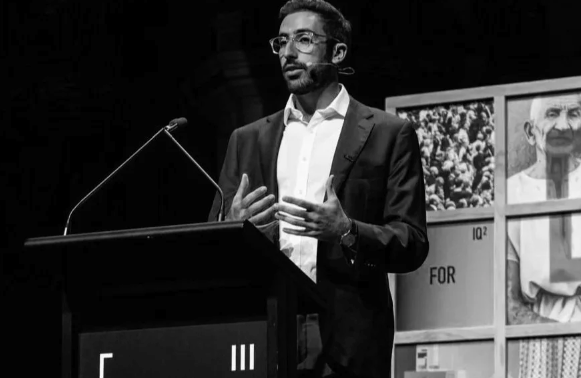
For International Men’s Day (19 November), Women in Global Health Australia is proud to launch another special profiling series, this time highlighting men who champion gender equality in health. This year’s theme, “The Future Is Everyone”, is a reminder that genuine equality between genders is built through compassion, collaboration, and the commitment of everyone, women and men alike.
Secretariat member Adeline Tinessia spoke with Dr Zac Seidler about his work as the Global Director of Men’s Health Research at Movember.
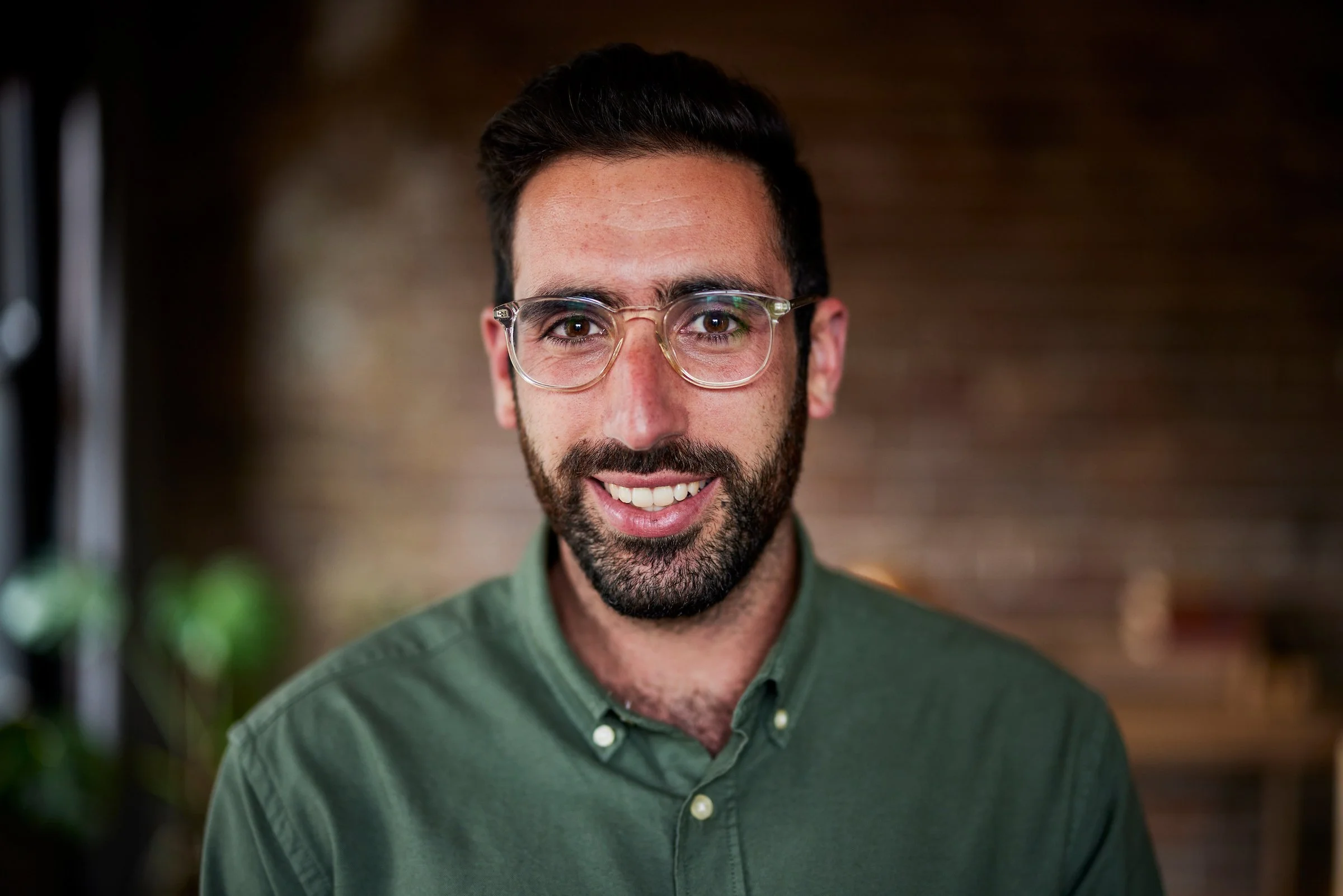
Please introduce yourself and tell us a bit about what you currently do.
I’m a clinical psychologist, Global Director of Men’s Health Research at Movember, and an Associate Professor at the University of Melbourne. My work looks at how masculinity shapes men’s health, help-seeking and behaviour. That means understanding men in the context of their relationships, because their thoughts, feelings and behaviours can harm both themselves and the people around them.
You have a wealth of experience in public health and equality (focus on gender equality). Tell us a bit about your journey to where you are today.
My PhD started with the question “why don’t men seek help?” I soon realised it was the wrong question. Men do seek help, but too often we fail to engage them once they arrive. Women’s health has shown us that sometimes you can’t blame the patient: the system has to change, as the work on medical misogyny makes clear. I came to see the same thing for men. Services need to do better at reaching, responding to and retaining men in care. That’s why I created Men in Mind, the world’s first training program to help mental health professionals engage their male clients, and it’s now backed by RCT evidence.
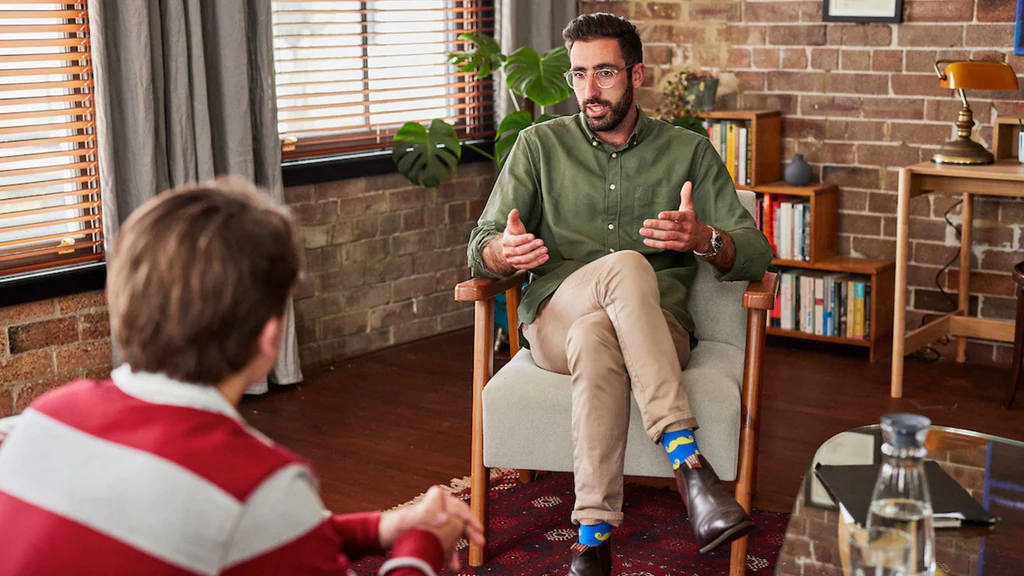
What does International Men’s Day mean to you, particularly this year’s theme, “The Future Is Everyone”?
For me, it’s about moving beyond the zero-sum thinking that too often colours both International Women’s Day and International Men’s Day. If it becomes us versus them, no one benefits. We need to learn from one another, partner and grow together. With men’s health, I see it as all boats rising: healthy men mean healthier families, healthier communities and a healthier world.
What challenges have you faced in your career, and how have you overcome them?
Working on men’s health means getting pushback from both sides. Some people see it as a backlash against women’s rights. Others see any talk of masculinity as an attack on men. I’ve dealt with this by putting lived experience at the centre: listening to men and boys rather than making assumptions, and seeking out diverse voices to break down the idea that there’s only one way to be a man. I try to favour curiosity over judgement and to stay willing to disagree respectfully.
What do you believe are the most pressing issues for women in global health right now, and what role can men play in addressing them?
Gender inequity in health is still a matter of justice. Women make up most of the health workforce but hold a minority of leadership roles, carry most of the unpaid care load, and bear the consequences of men’s violence. Men and boys can’t be framed only as the problem. They need to be agents of change and part of the solution for the health and wellbeing of women and girls. That means sharing power, sharing care and holding other men to account. At Movember, we’re building a Healthy Manhood Index to give men a north star to aim for, not just a list of what not to be. Women have been central to that work, because masculinity is relational and we all shape it together.
What advice would you give to young people who want to make a positive difference for gender equality globally?
Stay curious about people you disagree with. Many young men are being pulled toward online spaces that tell them equality is costing them something. Shaming them won’t win them back, but listening and offering a better story can. Find allies across genders, back your work with evidence, and remember that changing culture is slow work.