
For International Men’s Day (19 November), Women in Global Health Australia is proud to launch another special profiling series, this time highlighting men who champion gender equality in health. This year’s theme, “The Future Is Everyone”, is a reminder that genuine equality between genders is built through compassion, collaboration, and the commitment of everyone, women and men alike.
Secretariat member Adeline Tinessia spoke with Prof Brett Sutton about his work as a Senior Advisor, Trust in Science at CSIRO and his journey in supporting gender equity in health and sciences.
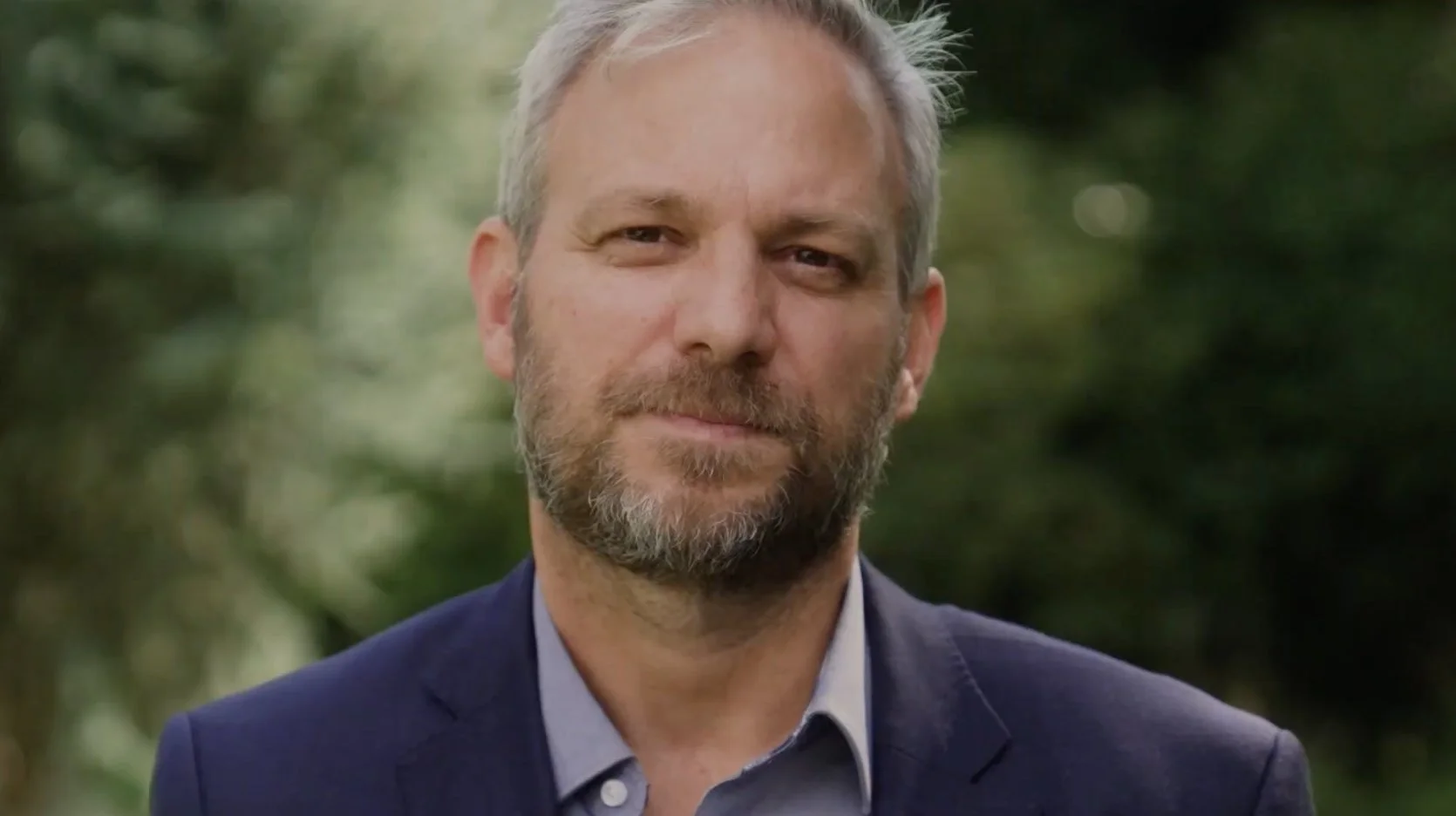
Please introduce yourself and tell us a bit about what you currently do.
I’m currently in CSIRO, the National Science Agency. My role is now as Senior Advisor, Trust in Science. This role is exploring the challenges of trust, especially as they relate to science, but broadly applicable to issues of trust in media, government and national institutions. We’re obviously living in an era where social media can facilitate polarisation and can amplify misinformation. Add AI to the mix, and the issues become even more substantial.
Science can deliver such foundational benefit for society that it’s critical to understand the elements that support building and maintaining trust. I see it as relating in particular to integrity, engagement and the social contract. Or, in other words, who we are; what we do; and how and why we do it. Some of it may seem obvious, but I think there are different ways of working that we need to move to in a world that is dominated by commercially-driven information provision on our mobile phones. People want to know what information they can trust and from whom, so we have to do better to provide clear paths for that - in media, schools, museums, libraries and in all the interactions and conversations we have.
You have a wealth of experience in public health and equality (focus on gender equality). Tell us a bit about your journey to where you are today.
I started my medical career in Emergency Medicine and loved it for the decade that I was involved in it. In 1997 I first went to Afghanistan and returned again in 2003 and saw public health manifest in the context of war and deep gender inequality. I continued my humanitarian and international development work for several years after that, in Ethiopia, Timor-Leste, Kenya and elsewhere.
It was through those international experiences in particular that made clear to me that the fundamental determinants of health sit at deeper levels – structural, cultural, institutional and socioeconomic. Issues of equity are not just issues of access or even affordability; they are also essentially about who holds power and the ingrained biases and blind spots within society. The health disparities for women were stark in Afghanistan, but issues of power and structural inequity are present everywhere. I hope we can address them everywhere we find them.
What does International Men’s Day mean to you, particularly this year’s theme, “The Future Is Everyone”?
I have to admit that I had some cynicism in the early days of International Men’s Day. It felt a bit ‘What about us’, rather than ‘What can we do’. I think that’s changed, and this year’s theme reflects that journey. I hope we’re coming to the realisation that gender inequity – indeed all inequity – diminishes us all. Men should understand that they have so much to benefit from being champions for equity and equality. In being able to grow as individuals and in helping all men and boys to flourish in their humanity. And setting aside that somewhat selfish perspective, to see practical outcomes emerge, such as gender disaggregated reporting.
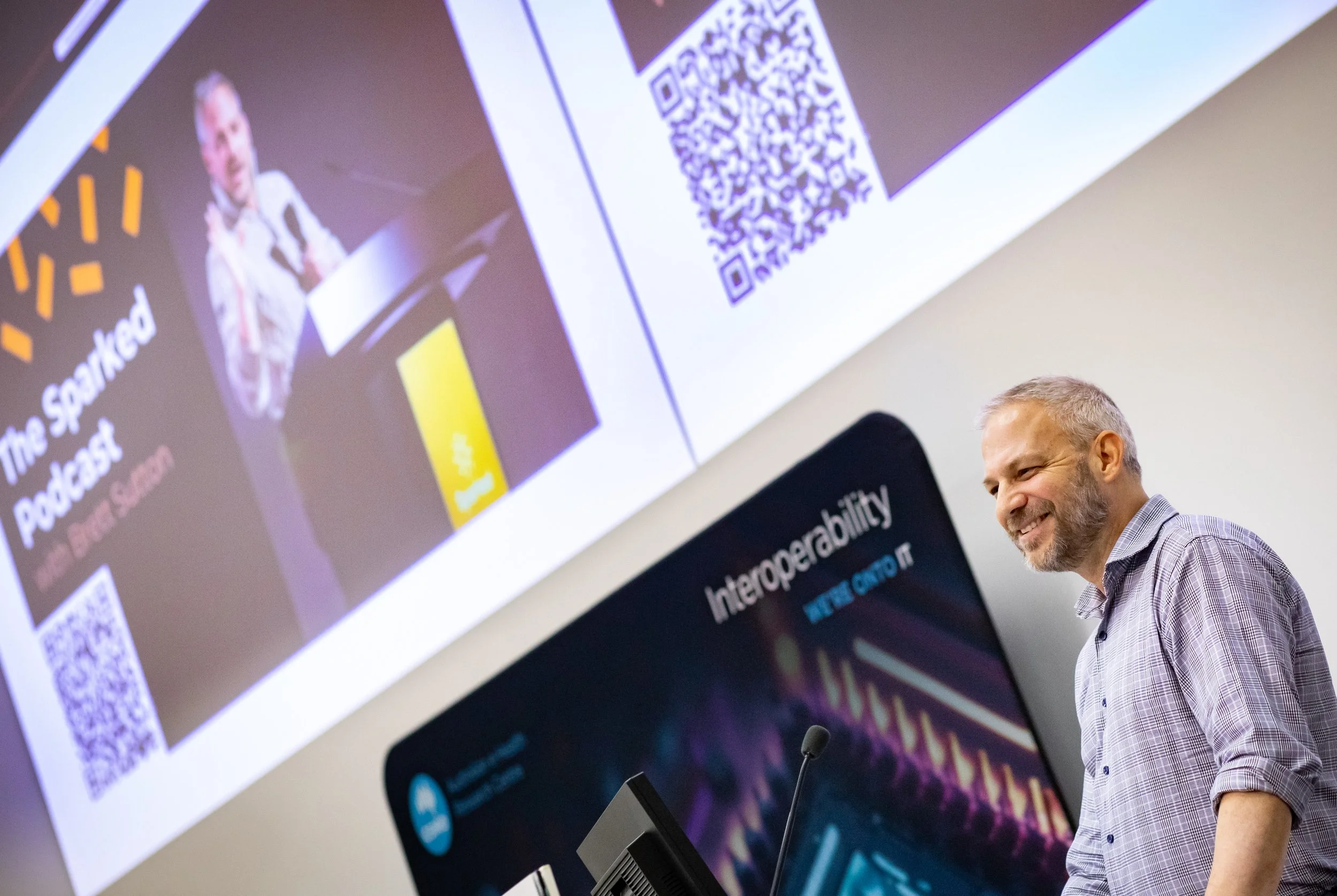
What challenges have you faced in your career, and how have you overcome them?
There have been a few! I know I’ll always be remembered for my time as Chief Health Officer during the Covid pandemic. It was a time of extraordinary challenge – absurdly long days and I think there were 150 consecutive days of work early on. Of course, there was also lots of media attention and lots of critical decision-making with imperfect information and contested thinking around what to do. I wouldn’t say I necessarily overcame these challenges; I got to understand, accept or navigate them. In the process, I’ve probably realised three critical things. Firstly, that I have resilience and reserve that I didn’t think I possessed (or was possible). Secondly, that in whatever you face, you’re never alone – there are always brilliant, loyal, generous colleagues and friends and family who mean the world to you. And finally, that being open and honest about your struggles, as well as your successes, is absolutely key to leadership (and survival)!
What do you believe are the most pressing issues for women in global health right now, and what role can men play in addressing them?
I think the pressing issues for women are the existential challenges we face globally. Tackling the structural and systemic impediments to full and equal participation is key. Women are often disproportionately impacted by the drivers of health disparities, but men remain over-represented in critical decision-making bodies. There has never been a female UN secretary-general but next year presents a very important opportunity for one of the many excellent women candidates to hold this position.
When I first worked in Afghanistan with MSF we had a female project leader, who led discussions with Taliban commanders. In 2003, our Head of Mission was female and led important negotiations on our work in Herat. Men need to support nominations, work at grassroots level to create opportunities and normalise women’s representation at the highest level.
What advice would you give to young people who want to make a positive difference for gender equality globally?
Moral courage and a systems thinking approach will be needed. There are growing forces at play that work against gender equality. The monetisation of outrage; wealth inequality; the corporatisation of everything; and threats to the very foundations of democracy are all increasing. We desperately need collective, courageous and creative work. Young people can, and must, lead in the transformative approaches we need. I am hopeful that they will take on these challenges and shake things up!