
World Mental Health Day - A/Prof Fiona Charlson
For World Mental Health Day (October 10), Women in Global Health Australia is proud to launch another special profiling series to highlight the incredible work of women in the mental health space.
Secretariat member Adeline Tinessia spoke with A/Prof Fiona Charlson and her work as a psychiatric epidemiologist and researcher.
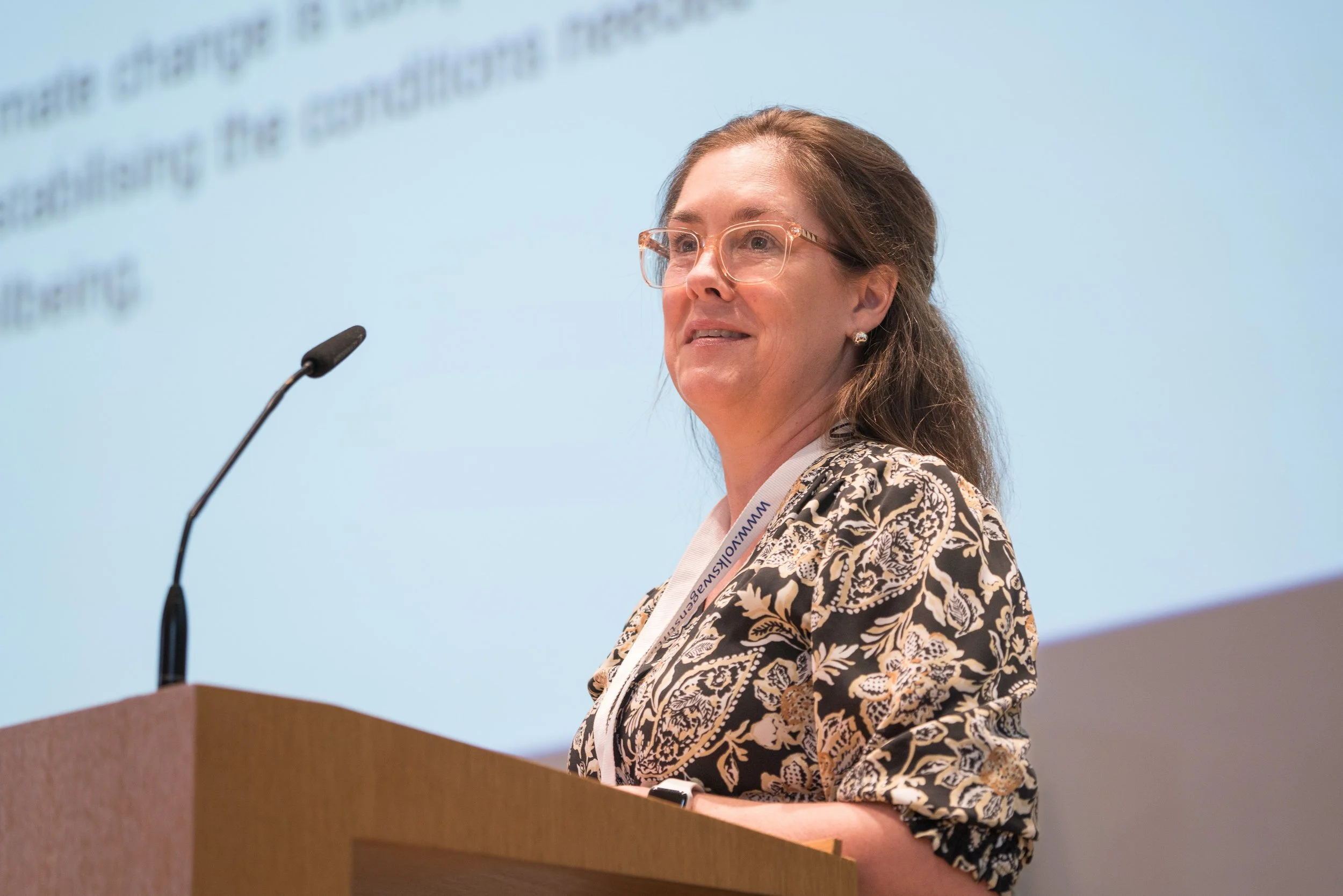
Please introduce yourself and tell us a bit about what you currently do.
I am Associate Professor Fiona Charlson, a psychiatric epidemiologist and health services researcher based at the Queensland Centre for Mental Health Research and The University of Queensland. My work focuses on understanding and addressing the mental health impacts of climate change, disasters, conflict and other global challenges, with a strong emphasis on translating research into policy and practice.
You have a wealth of experience in Mental Health. Tell us a bit about your journey to where you got to today.
My career has taken an unconventional path, beginning in pharmacy before working internationally with Médecins Sans Frontières and later moving into public health and mental health research. Along the way, I became increasingly interested in how global forces such as conflict and climate change shape mental health, which continues to drive my research and advocacy today.
What does World Mental Health Day mean to you?
World Mental Health Day is an opportunity to recognise that mental health is fundamental to individual and community wellbeing. It is also a reminder that mental health challenges are shaped by social, environmental and economic conditions, and that meaningful action requires collaboration across sectors and disciplines.
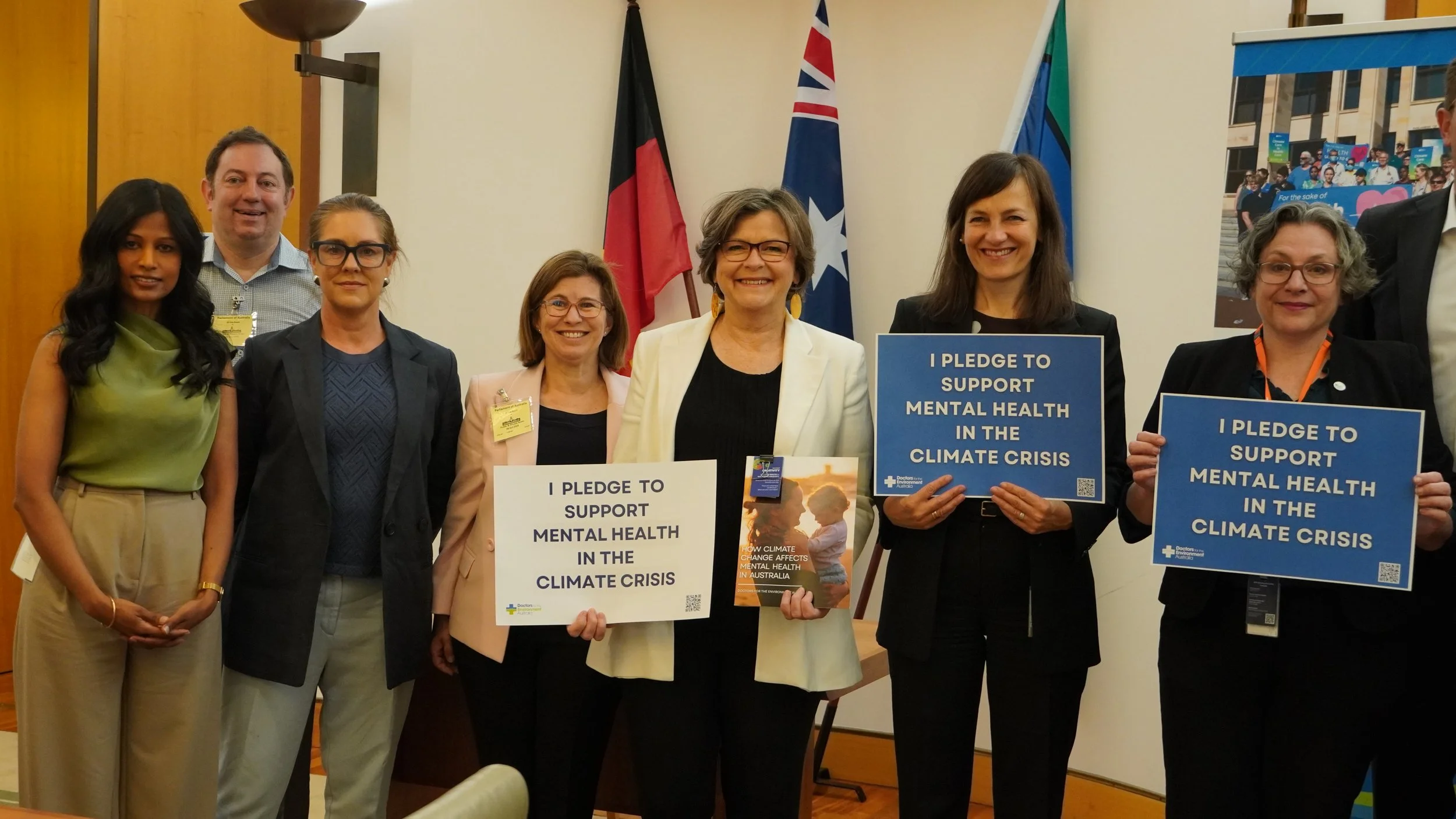
A/Prof Fiona Charlson and colleagues in Australia’s Parliament House, Canberra
What challenges have you faced in your career, and how have you overcome them?
One of the biggest challenges has been working across disciplines and sectors to address complex issues that do not fit neatly within traditional boundaries. I have learned that building partnerships, listening to diverse perspectives, and remaining persistent even when change is slow are essential for creating meaningful impact.
What do you believe are the most pressing issues for women in global health right now, particularly in the sphere of Mental Health?
Women continue to be disproportionately affected by many of the social and environmental drivers of poor mental health, while remaining underrepresented in decision-making and leadership positions. At the same time, challenges such as climate change, conflict and displacement are creating new pressures, making it more important than ever to ensure women's voices shape research, policy and decision-making.
What is your favourite thing about what you do?
I enjoy bringing people together from different disciplines, sectors and lived experiences to tackle complex problems. It is incredibly rewarding to see research inform policy, influence practice, and ultimately improve people's lives.
What advice would you give to young women who want to make a positive difference globally?
Be curious, be courageous, and do not be afraid to take non-traditional paths. Seek out mentors and collaborators who support your growth, but also trust your own perspective. Some of the most important advances come from people who are willing to challenge established ways of thinking and create new possibilities.
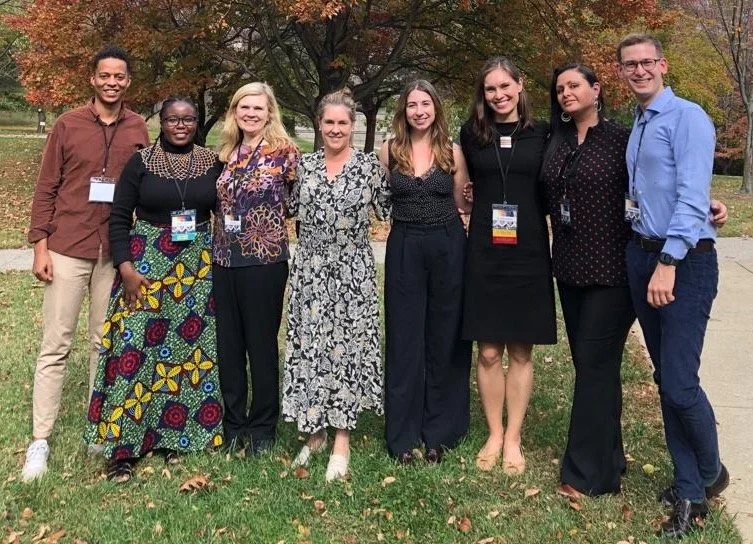
A/Prof Fiona Charlson and colleague in Washington DC