
WGH-A at the Women’s Health and Wellbeing Summit
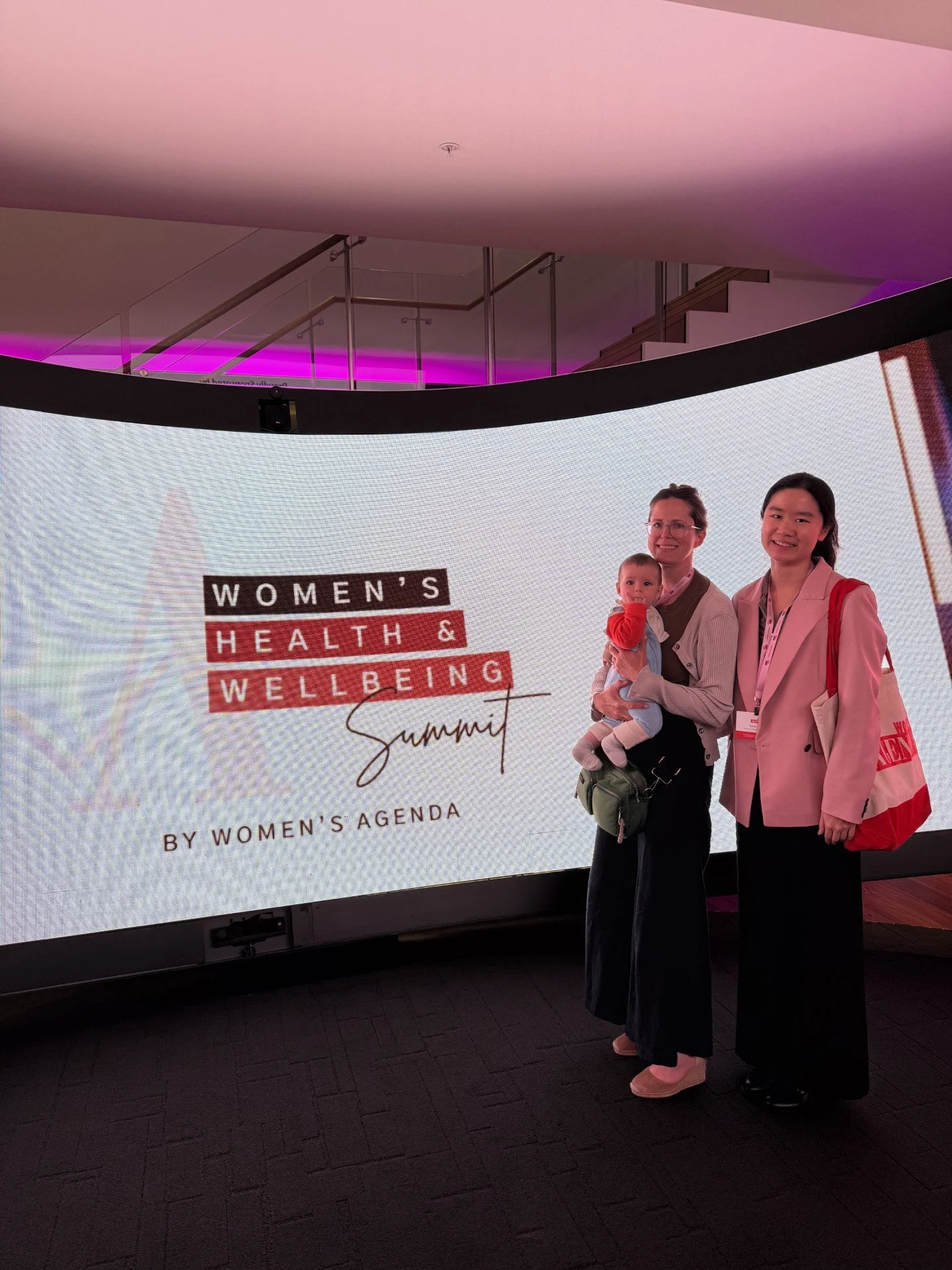
Rachel Hammersley-Mather and Emily Zhou representing Women in Global Health-Australia at the Women’s Health and Wellbeing Summit, hosted by Women’s Agenda
Last week, on Tuesday the 1st of September 2026, Women’s Agenda held its third annual Women’s Health and Wellbeing Summit in Sydney. I was delighted to be one of two delegates (alongside Rachel Hammersley-Mather) invited by Women’s Agenda to attend on behalf of Women In Global Health Australia. It was an inspiring and informative day that brought together leaders, experts, advocates, and innovators from across the country. In a society where women’s health is still too often sidelined or overlooked, this summit created space to elevate women’s voices and lived experiences. From the importance of hormone health to gender gaps in medical research to the rise of the manosphere and the resulting impact on misogynistic attitudes, important and empowering conversations were had surrounding key issues that impact women’s health and wellbeing.
Historically, women’s health has focused heavily of reproductive health, reflecting society’s tendency to view the female body primarily through the lens of childbearing. However, women’s health is far more than reproduction – as one panellist bluntly pointed out – “women also have brains!” The expert panel “The Gaps” with Dr Clara Chow AM, A/Prof M Talat Uppal, and Dr Rowena Mobbs highlighted how women have historically been excluded from medical research, leaving many conditions that disproportionately affect women understudied and underfunded. For example, migraines and dementia being just two of many. Additionally, despite the common misconception that cardiovascular disease is mostly associated with men, it is the leading cause of death for women globally. Cardiovascular symptoms in women can often present differently from what is observed in men, yet the condition continues to be under-researched. Hormone health, spoken about in depth by Dr. Fatima Khan (a perimenopause and menopause specialist), is another often overlooked aspect of women’s health. When medical research excludes women or considers the female anatomy as extensions or “variations” of the male anatomy, gender inequity in health will continue to persist. My first introduction to this concept was reading “Invisible Women” by Caroline Criado-Perez as a teenager, and since then, I have continued to notice gender inequities across the medical and health systems. We need greater investment in research addressing health issues that disproportionately affect women, as well as research that accounts for factors such as female sex hormones and how they may influence diagnosis and treatment.
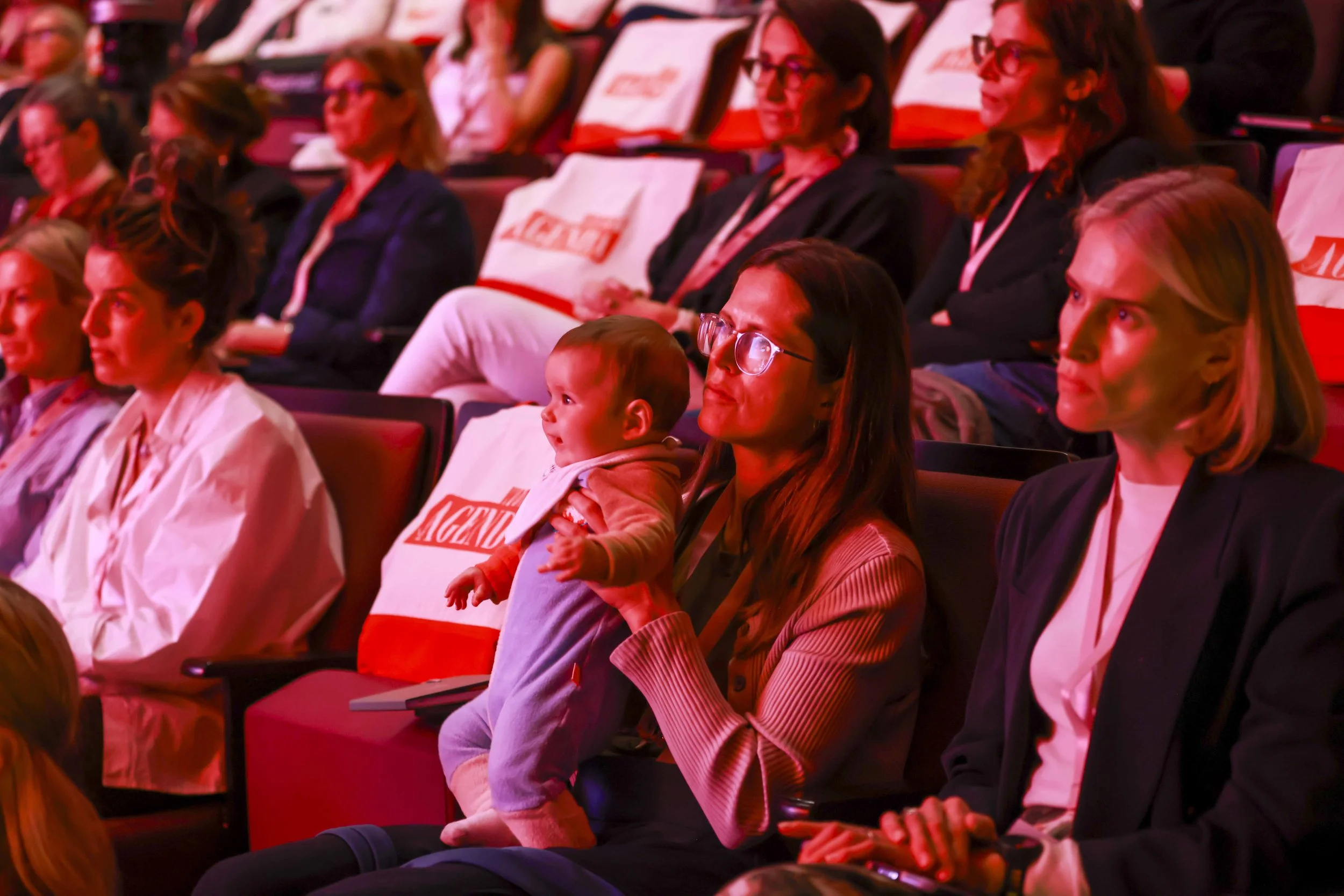
But research and funding are only part of the picture. We also need more women in health leadership and decision-making, where they can help shape research priorities, policies and health systems that better reflect the needs and experiences of women. Increasing women’s representation in health leadership is an important part of addressing the structural inequities that continue to shape women’s health. Although women should not have to fight to be heard, we should still feel empowered to stand up for ourselves when it comes to our health, and to trust our gut intuition.
The summit also highlighted that physical health is only one aspect of women’s health. Many speakers emphasised the importance of approaching women’s health holistically, and through an intersectional lens. The panel, “Building a Village around Care” featuring Melissa Reader, Evie Wood, and Tarla Lambert-Patel, explored the importance of community and the disproportionate burden placed on women who care for both children and ageing parents. Yet so many aspects of society are not built to support women. The “motherhood penalty” means that women experience a 55% decrease in their income in the first five years of motherhood, whereas men in the same situation see their income continue to rise. I was also struck by how many seemingly small aspects of our environments can either support or hinder community. Could we, for example, build a better sense of community by building cafes alongside children’s playgrounds? Every bit – small and large matter when building a village.
This year’s Summit also featured its very first Men’s Panel, comically referred to as “the manel” throughout the day. Unlike the traditional conference “Manels” i.e., panels that feature only men – which typically happen because of unconscious (or sometimes even conscious) bias and poor event planning – this one was very much intentional. Featuring Prof. Steven Roberts, Craig Foster AM and Matthew Johnson, it explored topics such as raising boys, gendered violence, and the rise of the manosphere, defined as online content or communities that promote anti-feminist values and narrow views of masculinity and gender roles. As I looked around the audience when the panel was being introduced, I could see that some people were wondering how the topic of raising boys would relate to a day dedicated to women’s health. But with the rise of the manosphere, young boys and men in particular are being increasingly exposed to extremely harmful content starting from very early ages. Prof. Steven Roberts emphasised that one of the major predictors of violence against women and the development of misogynistic attitudes is for the perpetrator to hold very narrow views of masculinity. The way we raise and educate boys about masculinity, gender and relationships has important implications for women’s safety and wellbeing.
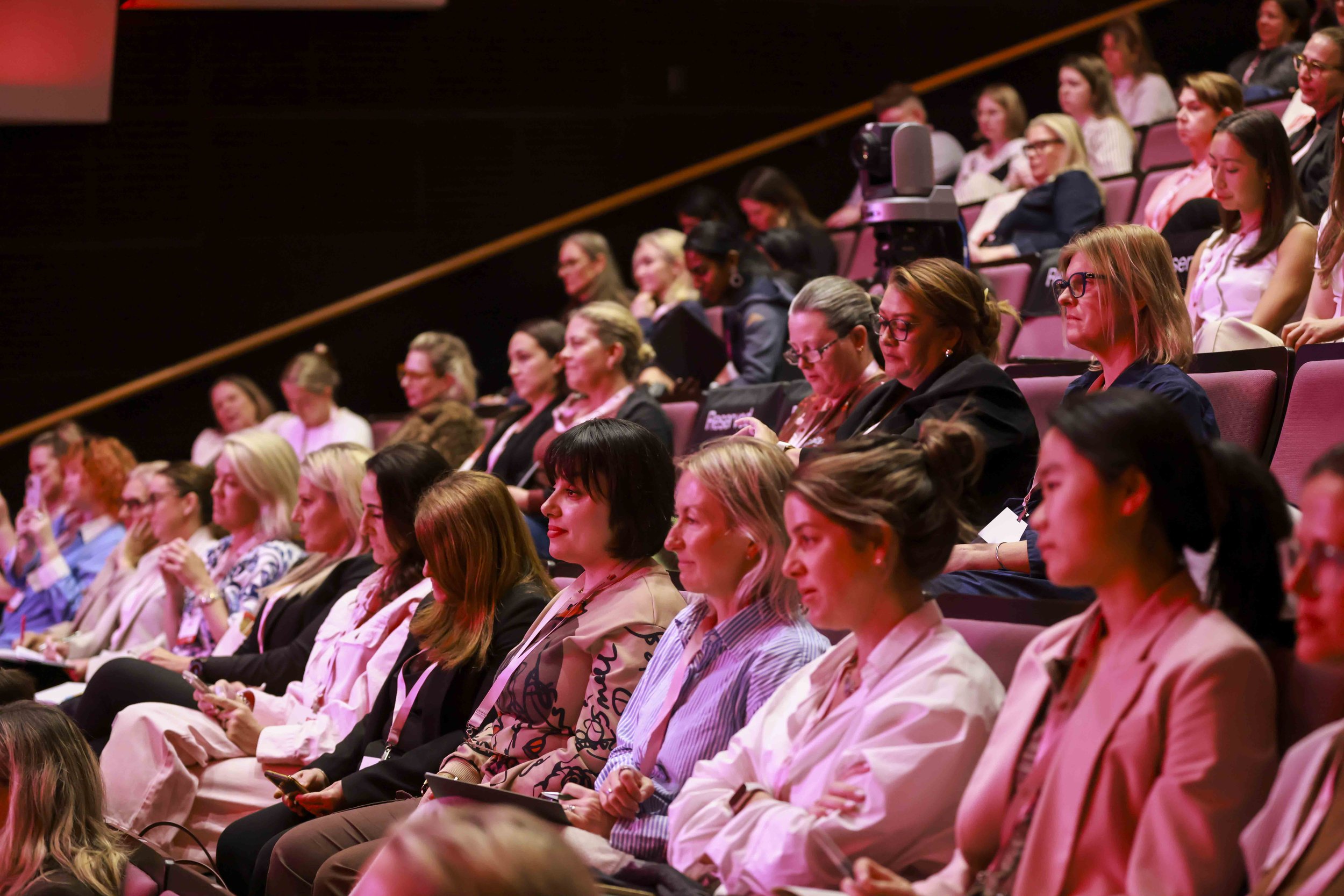
As someone who is Gen Z and perhaps a little more “chronically online” than I’d like to admit, this topic particularly resonated with me. I have come across much of this content before on my TikTok, Instagram, and Facebook feeds, and seen first-hand the manipulative and exploitative tactics these “influencers” use. I can see how this content can warp the perceptions that young boys and men have of girls and women, and it is frightening to see that this is now being reflected in the broader statistics. Studies now show that men in my generation are now more likely to hold sexist and hostile views towards women, compared to millennial and gen X men. I was glad to hear calls from the panellists for legislative changes, particularly around the use of algorithms, children’s access to harmful content, and the need to hold social media companies accountable.
Between panels and mindfulness sessions, several keynote speakers also shared powerful personal stories which were hugely inspiring and insightful. Ali France MP spoke about her journey to defeat the then leader of the opposition, Peter Dutton, to win the seat of Dickson after two previous unsuccessful attempts. Having followed the 2025 federal election results in that electorate, it was particularly insightful for me to hear her reflect on the personal experiences behind her victory. As a woman living with a disability in politics, her journey highlighted the importance of listening to women’s lived experiences in understanding and challenging the barriers they face and, help change the status quo. Another standout keynote was one given by Kristal Kinsela, a proud Jawoyn and Wiradjuri woman who spoke of her breast cancer journey. Throughout the day, I appreciated Women’s Agenda emphasis on an intersectional approach to women’s health, recognising that women who are First Nations, LGBTQIA+, ethnic minorities, living in rural areas, or who come from other minority backgrounds face unique challenges in accessing and experiencing healthcare.
Overall, this was a day well spent discussing the past, present and future of women’s health, and making connections with leaders and advocates from all across Australia. Investing more in women’s health, taking holistic and innovative approaches, pushing for legislative changes, and listening to lived experiences were just a few of my many key takeaways from this summit. Thank you to Women’s Agenda for inviting us to participate in these important conversations, and for organising an event that left participants feeling inspired, more informed, and empowered. I for one left feeling even more motivated to continue advocating for gender equity in health.
Written by Emily Zhou, with input from Rachel Hammersley-Mather, Prof. Meru Sheel, Adeline Tinessia, Parveen Fathima, Alice McCann, and A/Prof. Angela Devine