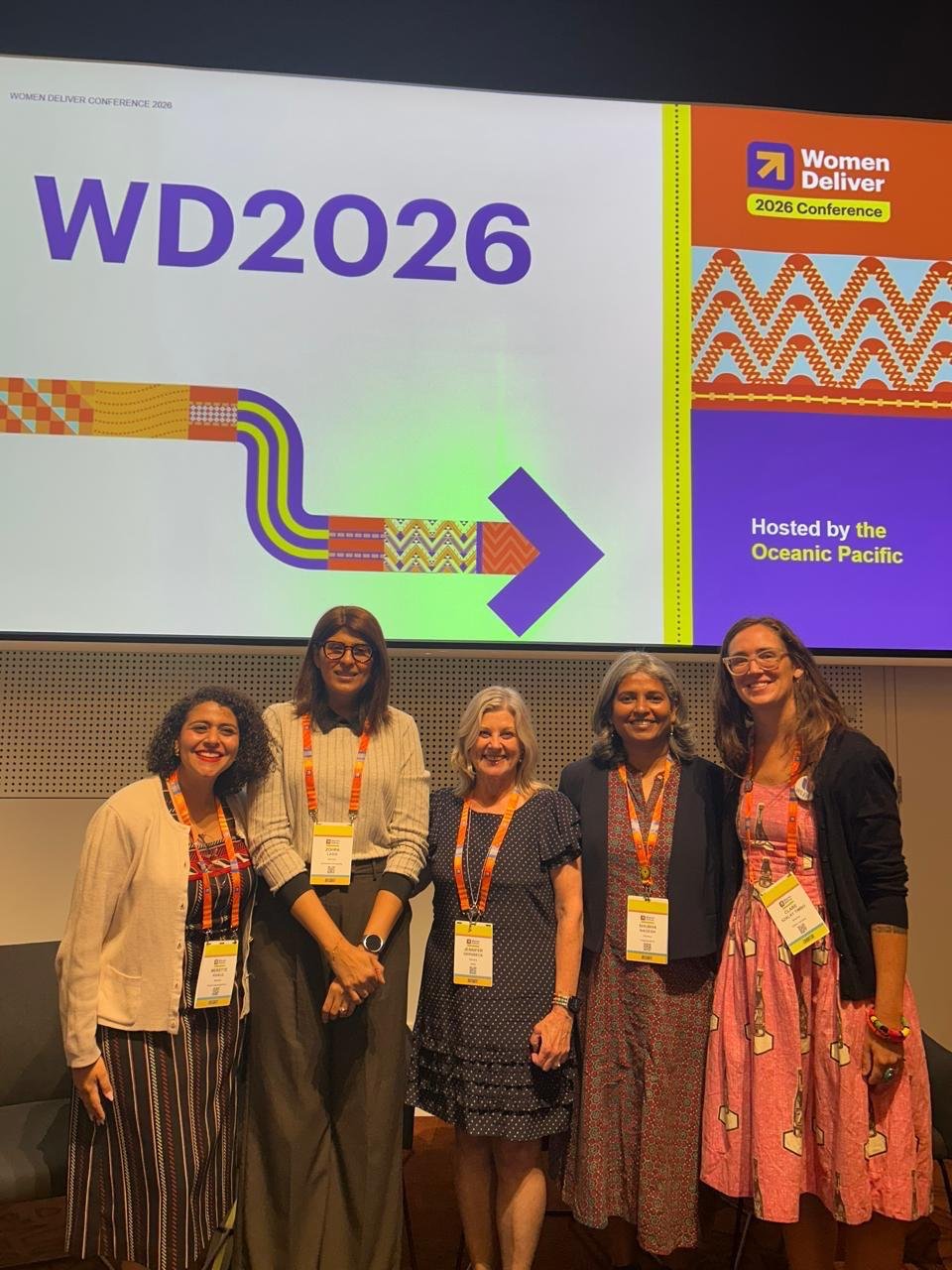
Women Deliver in the Oceanic Pacific - Reflections by Jennifer Gersbeck
Women Deliver in the Oceanic Pacific
Reflecting on my week at Women Deliver held recently in Melbourne (Naarm), I feel encouraged, despite the challenges the feminist movement is facing, since my first Women Deliver experience in Kigali, Rwanda back in 2023. While Kigali fuelled excitement in a post-pandemic world, Melbourne strengthened resolve and determination.
Women Deliver is one of the largest gatherings of women leaders, rights advocates and activists anywhere in the world, bringing together over 6,000 people from 189 countries. This is the first time Women Deliver has been held in the Oceanic Pacific region providing an invaluable opportunity to not only hear, but to elevate the voices of women, girls and gender-diverse people in Australia and the Pacific.
Highlights included hearing from women leaders I have long admired, including Julia Gillard, Helen Clark and Jacinda Adhern, who confronted the defining crises of our time: a world at war, the global rise of authoritarianism, the unchecked power of corporations, and the systematic erosion of the multilateral system. I was also impressed by women like Julie Inman Grant, eSafety Commissioner of Australia – listening to the challenges she has faced throughout her career and how she navigated her leadership journey was truly inspiring.
There was no shortage of powerful speakers and insights – but a moment that stands out for me is the launch of the Feminist Health Systems Charter and Call to Action. Having the opportunity to connect with some Women in Global Health leaders was a joy and I’m excited to see how this advocacy tool for advancing feminist health systems grounded in human rights, gender justice and public accountability will be used to build health systems that are equitable, inclusive, accessible, and transformative.
The Charter sits alongside the Melbourne Declaration for Gender Equality - a global commitment to rebalance power, resources and accountability for girls, women and gender-diverse people.
While the conference offered important learning, it also reminded me of something personal but profound – the power of connection, collaboration and community. This experience felt more meaningful and intentional than ever, strengthening my determination to advance women in global health leadership as a precondition for good governance.