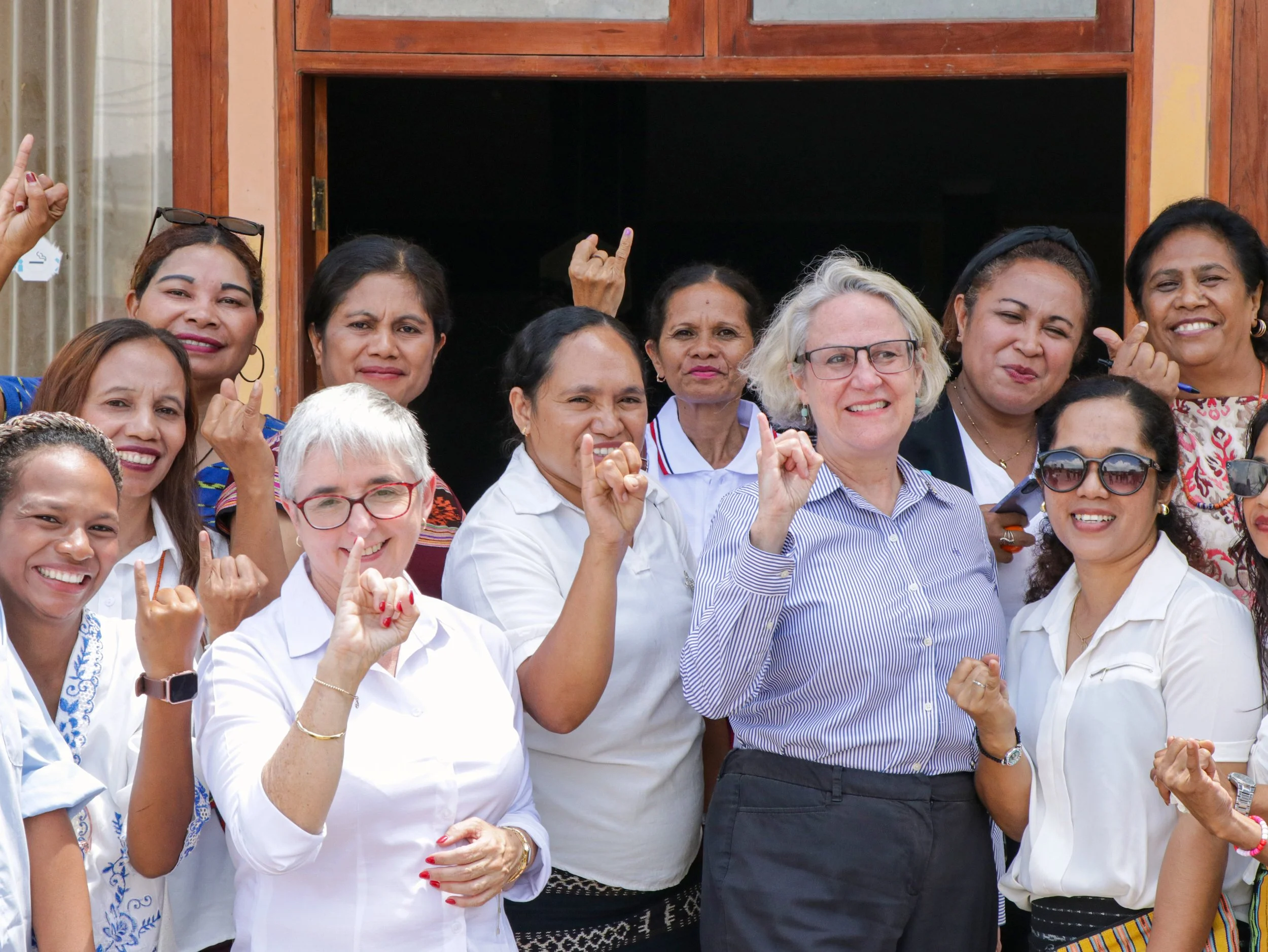
International Day of Women - Ambassador Michelle O’Byrne - Ambassador for Gender Equality for the Australian Department of Foreign Affairs
For International Women’s Day 2026, Women in Global Health Australia is excited to launch the first of its 2026 profiling series, centered on highlighting incredible women who are elevating, inspiring, and making impactful changes for women and girls.
This year we are honoured to interview Ambassador Michelle O’Byrne, the Australian Ambassador for Gender Equality for the Department of Foreign Affairs. Her work throughout her career has shaped prospects for women across Australia, and in her recent appointment as Ambassador for Gender Equality she continues to advance women’s rights and champion women’s leadership across the Indo-Pacific region.
Secretariat member Alice McCann interviewed Ambassador O’Byrne below:
Please introduce yourself and tell us a bit about your journey to where you got today.
I’m Michelle O’Byrne, Australia’s Ambassador for Gender Equality. My career, from serving as the Member for Bass to ministerial roles in women’s safety, health and education, has always centred on advancing women’s rights and practical reform. Those experiences taught me how policy grounded in lived experience can deliver lasting change. I now bring that lens to Australia’s international engagement, championing gender equality as a core national interest.
You were recently appointed as Ambassador for Gender Equality for the Department of Foreign Affairs. Tell us about this role, the process of getting there, and what it means to you.
Being appointed Ambassador is both an honour and a responsibility. The role allows me to work with governments, civil society and regional partners to advance Australia’s International Gender Equality Strategy and elevate women’s leadership, safety and economic security. This work is about sustained advocacy and practical action, turning our values into outcomes that strengthen resilience, stability and opportunity.
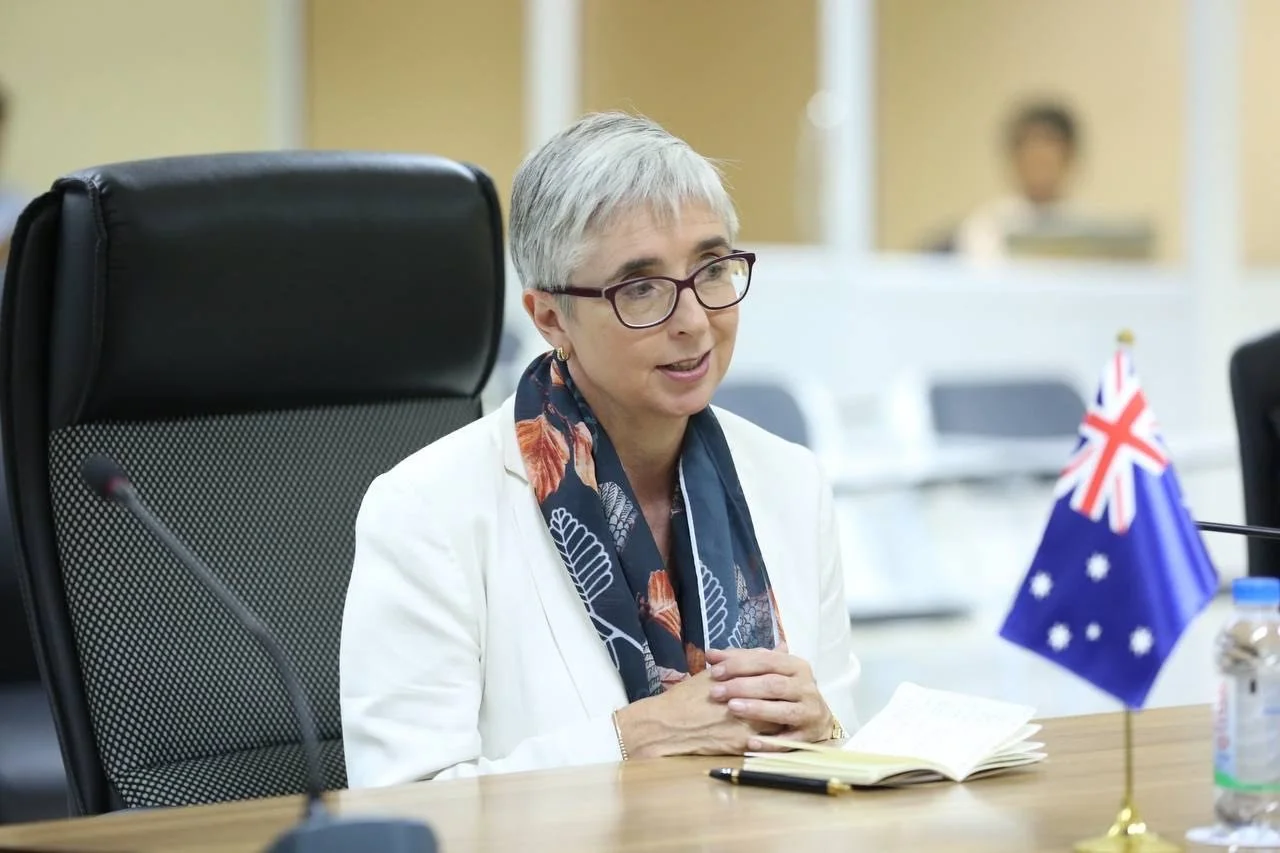
What does International Women’s Day mean to you?
International Women’s Day is a moment to celebrate women’s leadership and resilience, and to recognise the barriers that still limit safety, choice and opportunity. It is a reminder that progress is never automatic. It requires commitment, accountability and partnership. Above all, it underscores that gender equality is a matter of justice, human rights and inclusion.
What is your favourite thing about what you do?
I’m inspired by seeing real change take shape. In my role I meet women influencing decisions, communities becoming safer, and policies better reflecting lived realities. The most rewarding part is learning from and amplifying the leadership of women across our region who, often under extraordinary pressure, are driving locally led and sustainable progress.
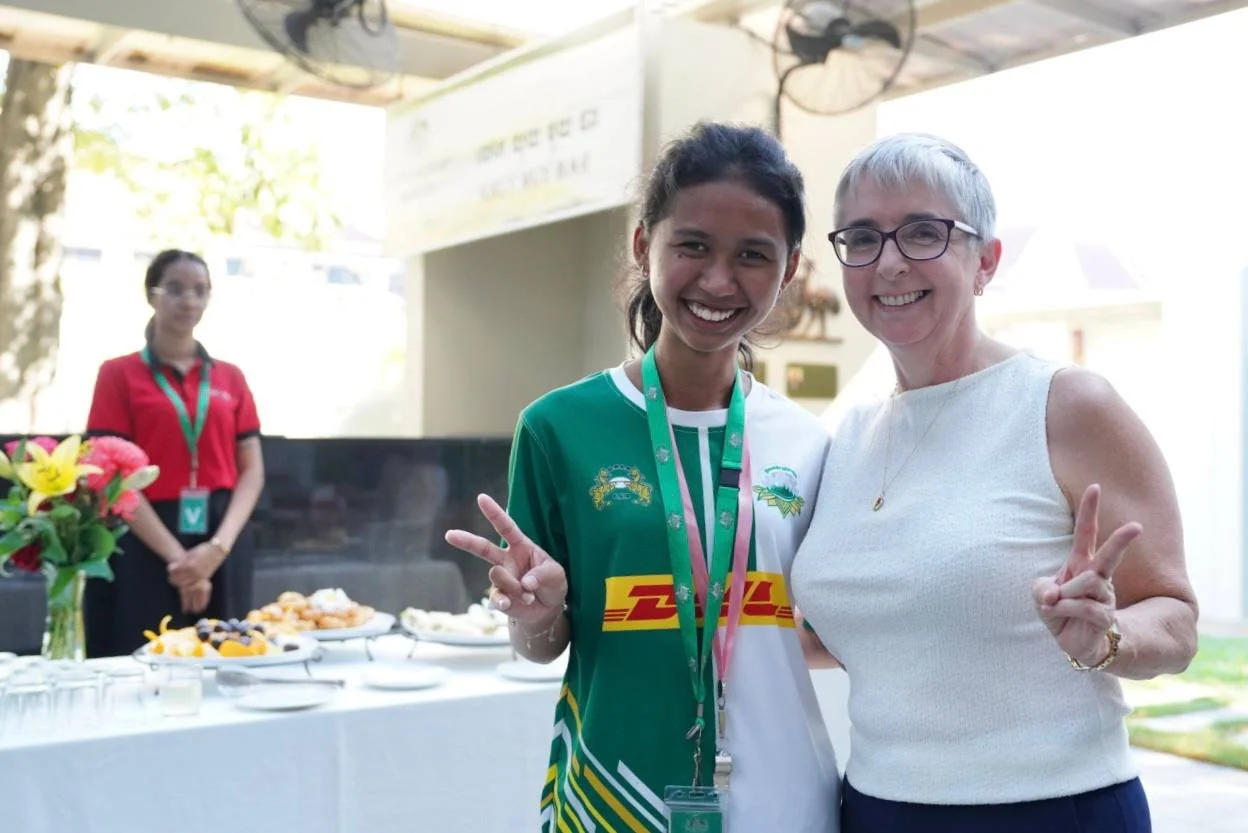
What challenges have you faced in your career, and how have you overcome them?
Advocating on gender equality, women’s safety and reproductive rights often attracts resistance. Progress in these areas is rarely linear and often contested. I’ve learned that persistence, collaboration, and evidence‑based advocacy, grounded in lived experience, are essential. Remembering the importance and power of collective action has also helped.
What do you believe are the most pressing issues or priorities for women in global health right now?
Women’s safety and access to quality healthcare remain critical global priorities, especially in the context of climate change, conflict and humanitarian crises. Central to this is the right to choice and bodily autonomy. Women must be able to make decisions about their own health, including access to comprehensive sexual and reproductive healthcare, free from violence, coercion or discrimination. When women can exercise autonomy over their own bodies and lives, health outcomes improve for individuals, families and communities.
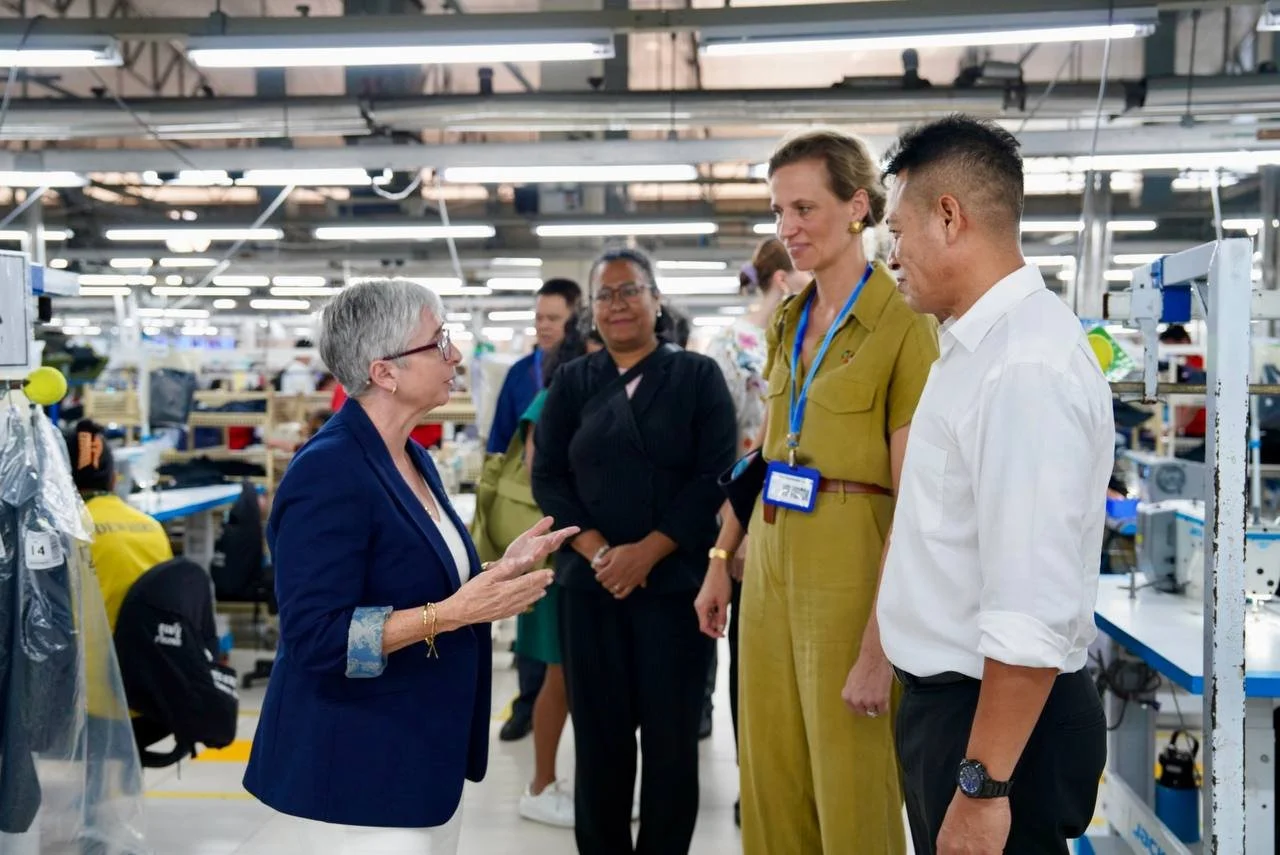
What advice would you give to young women and gender‑diverse people who want to make a positive difference globally?
Value your lived experience, it is a strength. Seek collaboration, build coalitions and learn from those working at the community level. Progress takes persistence and partnership. Most importantly, back yourself. Your voice and ideas are needed, and they matter.